

A good cap or hat is an investment in your everyday style, but it only stays looking sharp if it’s cared for properly. The problem is that headwear isn’t one-size-fits-all when it comes to cleaning — a cotton baseball cap can handle a lot more than a straw Panama hat, and treating them the same way is the fastest way to ruin either one. Here’s how to clean and maintain your caps and hats based on what they’re actually made of.
Cotton and Canvas Caps
Cotton and canvas are the most common materials for baseball caps, and thankfully, also the most forgiving to clean.
How to clean: Start with spot cleaning for small stains — a soft brush or cloth with a bit of mild detergent and cool water usually does the job. For a deeper clean, hand wash the cap in cool water with a gentle detergent, gently scrubbing the brim and sweatband where oils and sweat build up most. Avoid tossing it in the washing machine if the cap has a structured crown, as the agitation can warp its shape.
Drying: Always air dry. Reshape the cap while damp, and let it dry away from direct sunlight or heat sources like a radiator or dryer, both of which can cause fading or shrinkage. A helpful trick is drying it over a bowl or cap-shaped form to help it hold its curve.
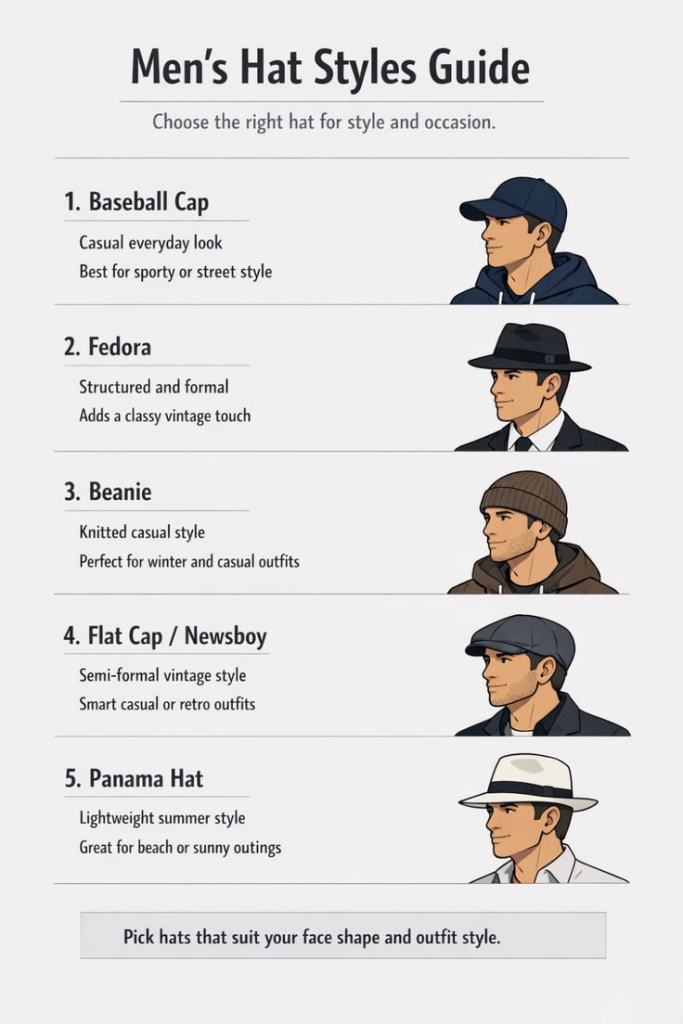
Wool and Felt Hats (Fedoras, Flat Caps)
Wool and felt are more delicate than cotton and require a gentler touch to avoid damaging the fibers or the hat’s structure.
How to clean: Never fully submerge a wool or felt hat in water. Instead, use a soft-bristled brush to remove dust and surface debris regularly — brushing in one direction, following the nap of the fabric. For stains, use a barely damp cloth and blot gently rather than rubbing, which can cause matting or discoloration.
Drying and storage: If the hat gets slightly wet from rain, let it air dry naturally at room temperature, away from direct heat. Store wool and felt hats on a hat rack or stuffed lightly with tissue paper to help them hold their shape, rather than stacking them or storing them flat.
Straw Hats (Panama Hats, Sun Hats)
Straw is lightweight and breathable, which makes it perfect for summer, but it’s also more brittle and prone to cracking if handled incorrectly.
How to clean: Wipe down straw hats with a soft, slightly damp cloth to remove dust and light stains. For tougher spots, mix a small amount of mild soap with water and gently dab the area — never soak straw, as it can weaken the weave and cause the hat to lose its shape.
Drying and storage: Keep straw hats away from excessive moisture and direct heat, both of which cause the fibers to become brittle over time. When not in use, store them in a cool, dry place, and avoid crushing them under other items — a hat box or a dedicated shelf works best to preserve their shape.
Knit Beanies
Knit beanies are generally the easiest to care for, but a little attention keeps them from stretching out or pilling over time.
How to clean: Most knit beanies can be hand washed in cool water with a mild detergent. Gently squeeze the beanie through the water rather than scrubbing, which can cause the knit to stretch or lose its shape.
Drying: Lay the beanie flat on a clean towel to dry, reshaping it as needed. Avoid hanging it to dry, since the weight of the wet fabric can stretch the material out of shape over time.
General Care Tips for All Hats
- Avoid the washing machine and dryer for anything with structure — cotton baseball caps, wool hats, and straw hats can all lose their shape under heat and agitation.
- Keep hats away from direct sunlight for long periods, even when just storing them, as UV exposure can fade color over time regardless of material.
- Handle sweatbands with extra care. This is usually where hats show wear first, so wiping it down after regular use extends the life of the entire piece.
- Rotate your hats. Wearing the same cap or hat every day speeds up wear on the fabric and sweatband — giving pieces a rest between wears helps them last longer.
Final Thought
Different materials call for different care, but the underlying principle is the same: gentle cleaning, proper drying, and thoughtful storage go a long way toward keeping your caps and hats looking as good as the day you bought them. Treat each piece according to what it’s made of, and it’ll return the favor by lasting for years, not just seasons.